When decorating a small living room, prioritize space-saving furniture, smart storage, and strategic design to create the illusion of more square footage. Use light colors, multi-functional pieces, and layered lighting to enhance both function and style in compact areas.
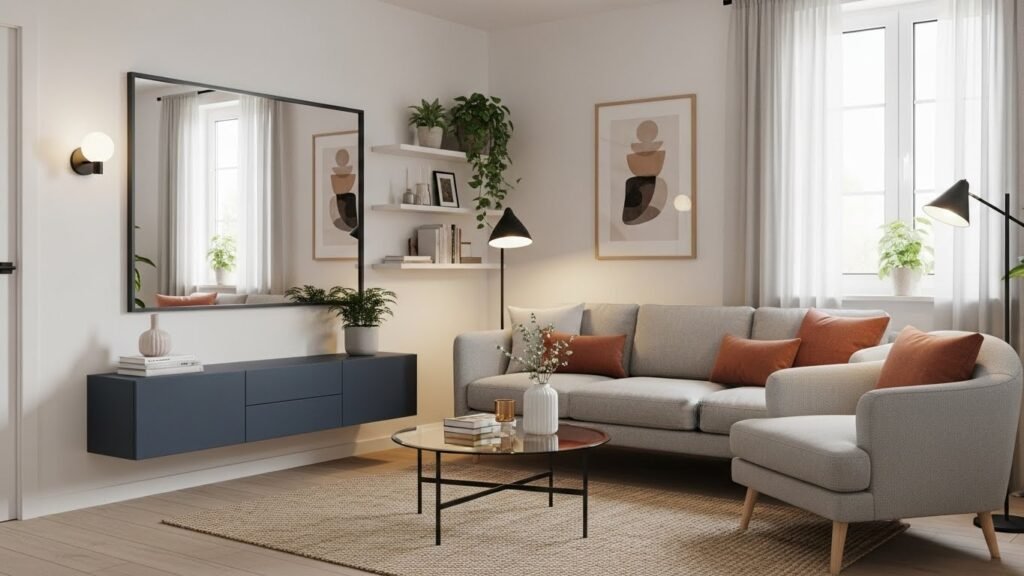
How Can I Make My Small Living Room Look Bigger?
The key is visual expansion through color, layout, and light.
- Stick to a light, neutral color palette (whites, soft grays, beiges) on walls and large furniture to reflect natural light.
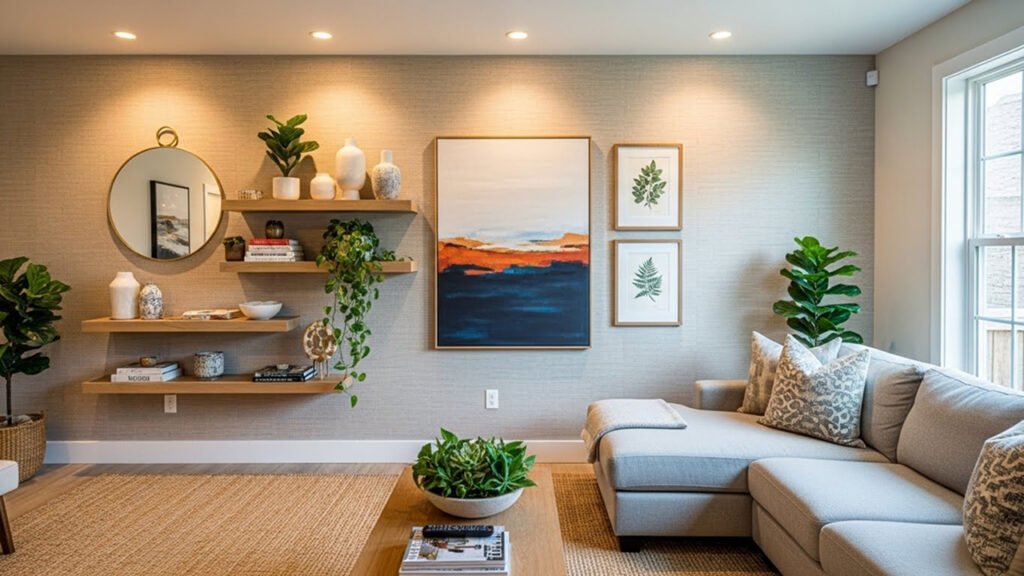
- Use mirrors strategically—especially opposite windows—to double the perceived depth of the room.
- Choose furniture with exposed legs to create visual “airiness” under pieces like sofas and coffee tables.
Pro-tip: Paint your trim and walls the same color to blur boundaries and make ceilings feel higher—a trick used in luxury micro-apartments.
What Furniture Should I Use in a Small Living Room?
Selecting the right furniture prevents overcrowding while maintaining comfort.
- Opt for a loveseat or apartment-sized sofa instead of a full sectional.
- Use nesting tables or a single slim console table rather than a bulky coffee table.
- Choose pieces with dual functions: ottomans with hidden storage, sofa beds, or TV stands that double as office nooks.
Unconventional idea: Install a wall-mounted drop-leaf table that folds down when needed for dining or work—then disappears.
How Do I Add Storage Without Cluttering the Space?
Smart storage keeps essentials accessible but out of sight.
- Utilize vertical space with tall, narrow shelving units or floating cabinets above eye level.
- Invest in furniture with built-in storage: benches with lift-up seats, media consoles with deep drawers, or beds with under-frame bins (if combining living/sleeping zones).
- Use decorative baskets on open shelves to hide clutter while adding texture.
Pro-tip: Label baskets by category (e.g., “Blankets,” “Tech Cables”) for quick access without rummaging.
What Lighting Works Best in a Compact Living Room?
Layered lighting enhances ambiance and makes rooms feel larger.
- Ambient: Recessed ceiling lights or a small flush-mount fixture provide overall illumination.
- Task: Add swing-arm wall sconces beside seating for reading—no floor lamp footprint required.
- Accent: Use LED strip lighting under shelves or behind the TV to add depth and modern flair.
Entity note: Mixing textures in lighting fixtures (e.g., rattan pendants, matte black metal) adds warmth without visual weight.
How Do I Create a Focal Point in a Small Living Room?
Even tiny spaces need a design anchor to draw the eye.
- Position your sofa facing a key feature—like a window with a view, a piece of art, or a statement rug.
- Use a bold accent wall behind the main seating area; consider peel-and-stick wallpaper for renters.
- Anchor the space with a cohesive vignette: a floor lamp, side table, and plant grouped near a corner chair.
Pro-tip: A large mirror framed like artwork can serve as both focal point and space-expanding tool.
-
What are the best color schemes for how to decorate a small living room?
Light neutrals like soft white, warm gray, or blush beige make small living rooms feel airy and larger. Pair with an accent wall in muted sage or navy for depth—avoid dark, saturated colors on all walls, as they can close in the space.
-
How can I add storage when decorating a small living room?
Use multi-functional furniture: choose a storage ottoman, floating shelves, or a TV console with drawers. Add woven baskets on open shelves to hide clutter while enhancing texture—keeping the floor visually clear.
-
What furniture should I avoid when learning how to decorate a small living room?
Avoid oversized sectionals, bulky entertainment centers, and large coffee tables. These overwhelm tight spaces—opt instead for apartment-sized sofas, nesting tables, and leggy furniture that allows light and sightlines to flow.
-
Can mirrors really help in decorating a small living room effectively?
Yes—placing a large mirror opposite a window reflects natural light and doubles the visual depth of the room. A framed full-length mirror or gallery-style arrangement also acts as art while expanding perceived space.
-
How do I create a focal point while decorating a small living room?
Anchor the room with a statement piece—like a bold area rug, a painted accent wall behind the sofa, or a large piece of artwork. This draws the eye and organizes the layout, even in compact areas.