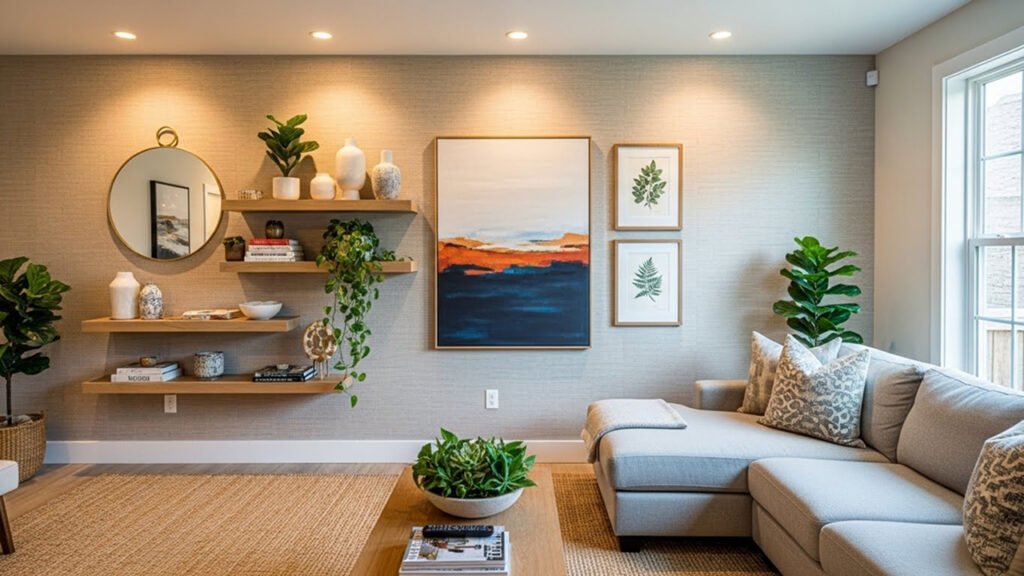
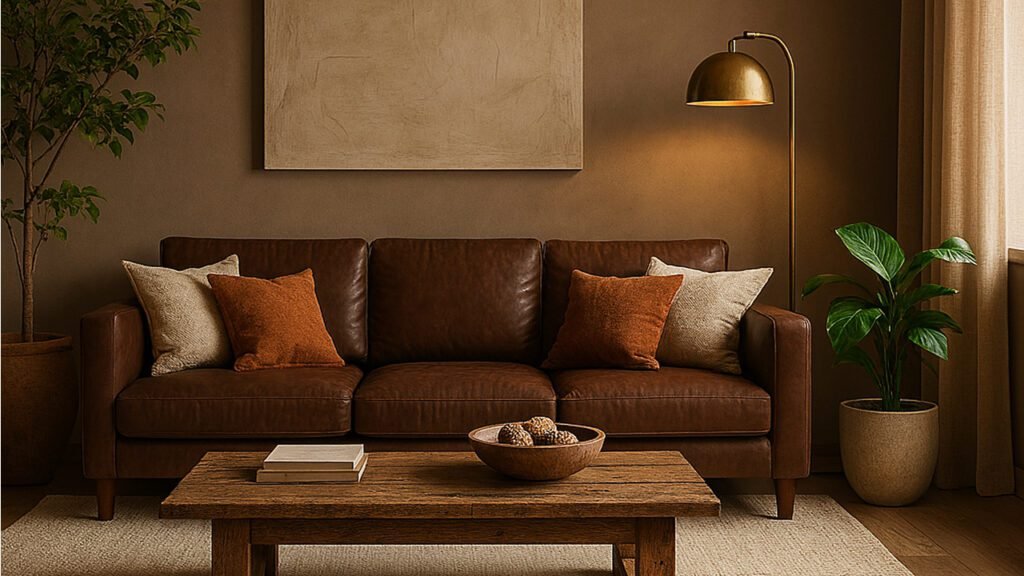
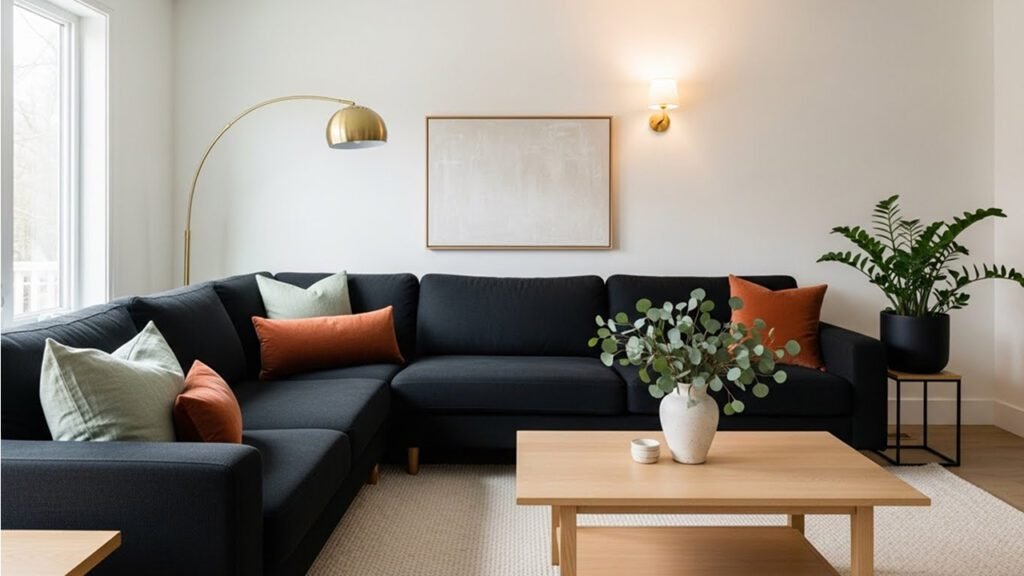
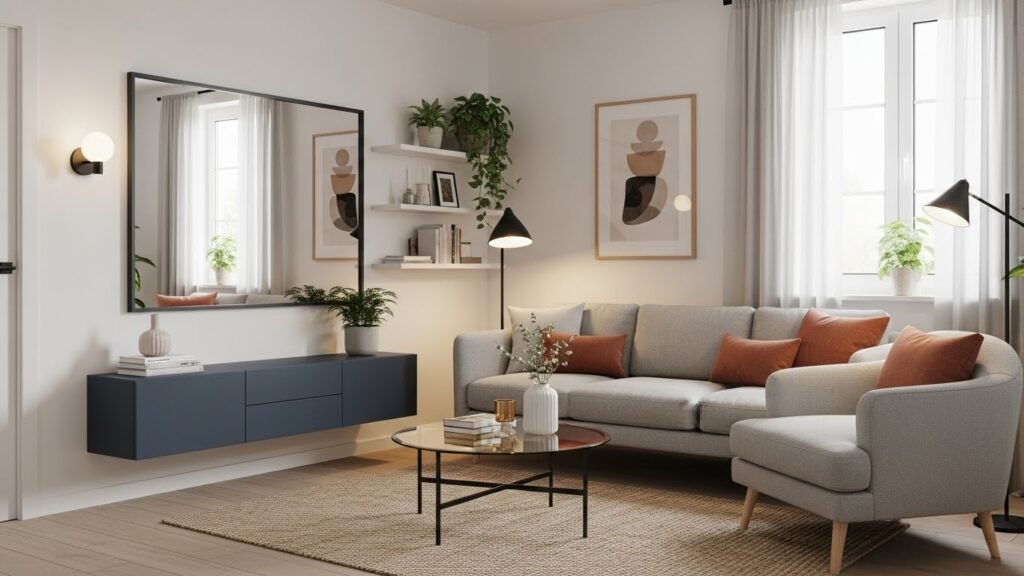
Creating a cozy living room in a small space isn’t just possible—it’s often easier than in larger rooms. With less area to manage, you can focus on intimacy, texture, and warmth without overwhelming the eye or blocking flow.
This guide delivers exactly what you need: 25 actionable, space-smart cozy living room decor ideas tailored for apartments, studios, and compact homes.
No fluff, no filler—just proven strategies that blend comfort, function, and style.
Why Small Living Rooms Can Be the Coziest (When Done Right)
A small living room can feel cozier than a large one—if you prioritize intimacy over square footage. The key is strategic layering, smart zoning, and materials that invite touch, absorb sound, and radiate warmth—all without blocking natural flow.
Forget “more space”; true coziness lives in thoughtful details.
Many people assume cozy means cluttered, but in tight quarters, cozy vs. cluttered is a critical distinction. It’s not about filling every inch—it’s about curating a sensory experience that feels inviting, calm, and human-scaled.
With the right layout, lighting, and textiles, even a 10’x10’ apartment living room can become your favorite place to unwind.
The secret? Design for multi-sensory comfort: soft underfoot, warm to the eye, quiet to the ear, and personal to the heart. And always respect the circulation path—maintain at least 36 inches of clear walkway so comfort never compromises function.
What Makes a Living Room Feel Truly Cozy—Not Just Stylish?
Coziness isn’t just visual—it’s tactile, acoustic, and emotional. A room feels truly cozy when it engages multiple senses: the tactile hierarchy of a wool throw within arm’s reach, the muffled quiet from acoustic curtains, the gentle glow of 2700K lighting, and the faint scent of cedar or vanilla.
This is the essence of hygge and wabi-sabi: comfort rooted in simplicity and presence, not perfection.
Expert Tip: “In small rooms, every surface must earn its keep—choose fabrics that are soft, durable, and acoustically functional.”
— Lena Torres, Textile Engineer with 12+ years in sustainable home textiles
Use this quick checklist to audit your space:
- ✅ Touch: At least two soft textiles (rug, throw, pillow) within arm’s reach
- ✅ Sound: Soft surfaces (rugs, curtains, upholstered furniture) cover 60%+ of hard floors/walls
- ✅ Sight: All bulbs between 2200K–2700K for warm, relaxing light
- ✅ Thermal: Natural fibers like wool or alpaca (R-value >0.7) for real warmth
Our Most Loved Living Room Posts
Can Open-Concept Living Rooms Feel Cozy?
Yes—even in open-plan studios, you can create a cozy zone that feels separate and intimate. The trick is focal point arrangement and area rug definition.
Anchor your seating with an 8’x10’ rug, orient furniture inward (not toward the kitchen!), and use a tall floor lamp or pendant to draw the eye down.
Add absorptive surfaces like a thick curtain or bookshelf to break sound and sight lines.
Avoid relying only on mirrors to “add space”—in open concepts, they often amplify noise and visual chaos. Instead, use reflective vs. absorptive surfaces intentionally: a mirror opposite a warm lamp bounces light; a jute rug absorbs echo.
The 25 Cozy Living Room Decor Ideas for Small Spaces
Small-space coziness is all about intentional choices—not square footage. Below are 25 tested, space-smart ideas that blend warmth, function, and style without overwhelming your room.
1
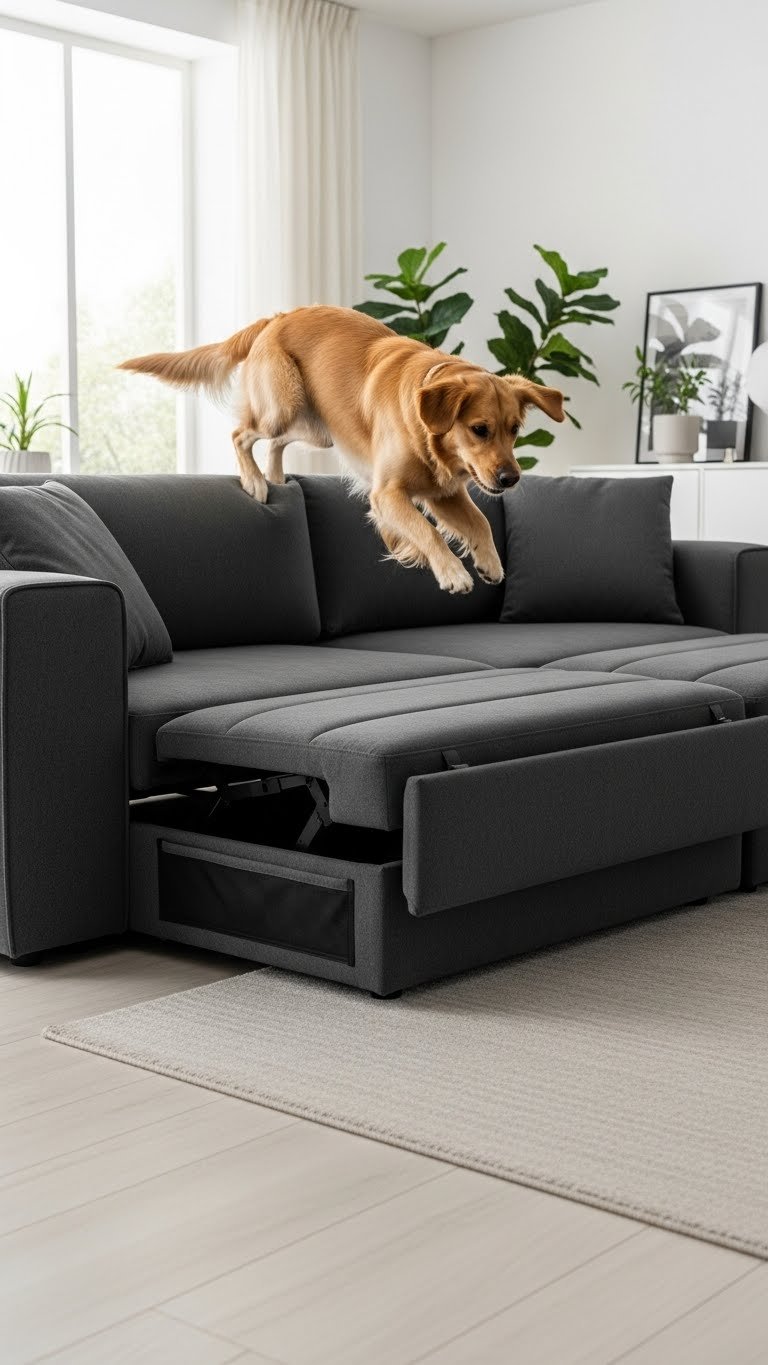
Choose a Sectional Sofa with Hidden Storage
In tight living rooms, seating must multitask. A low-profile sectional sofa with built-in storage (under chaise or lift-up seats) keeps blankets, remotes, or board games out of sight but within reach. Look for models with an ergonomic seating depth of 22–26 inches—deep enough to lounge, not so deep it swallows your space.
2
Layer Rugs Without Creating Tripping Hazards
Layering rugs adds instant warmth and visual depth—but in small rooms, it can become a hazard if done wrong.
Use a jute rug (0.5″ pile) as your base for natural texture, then layer a smaller wool rug (0.75″ pile) on top.
Total pile height should stay under 1.5 inches, and always use a non-slip rug pad between layers.
This combo delivers thermal resistance and acoustic softening while defining your seating zone.
3
Use Warm LED Bulbs (2200K–2700K)
“Soft white” isn’t specific enough. For true coziness, use bulbs between 2200K and 2700K—the range recommended by lighting standards (IESNA) for relaxation.
Avoid anything above 3000K; it reads as clinical, not calm.
Swap overheads for dimmable LEDs, and add LED Edison bulbs in table lamps for vintage warmth without heat output.
4
Style Throws Using the “Designer Drape” Method
A throw blanket shouldn’t just sit folded—it should invite use. Use the 3-step designer drape:
- Fold the throw in thirds lengthwise
- Drape it over the front corner of your sofa arm
- Tuck one end slightly under the seat cushion
This keeps it accessible, looks effortless, and adds textural contrast without clutter.
5
Add Acoustic Curtains (300+ GSM)
Hard floors and walls amplify noise—especially in urban apartments.
Acoustic curtains with a weight of 300+ grams per square meter (GSM) absorb sound, reduce echo, and add thermal insulation.
Hang them high and wide to maximize coverage, even if your windows are small.
They’re a renter-friendly upgrade that boosts both acoustic comfort and visual softness.
6
Create a Reading Nook in a Corner
Dead corners waste precious square footage. Turn one into a cozy reading nook with a compact armchair (under 30″ wide), a slim floor lamp with adjustable neck, and a small wall-mounted shelf for books.
Anchor the zone with a 2’x3’ wool rug so it feels intentional, not accidental.
Space-Saver Tip: Choose a chair with open legs—it visually lightens the space while keeping comfort high.
7
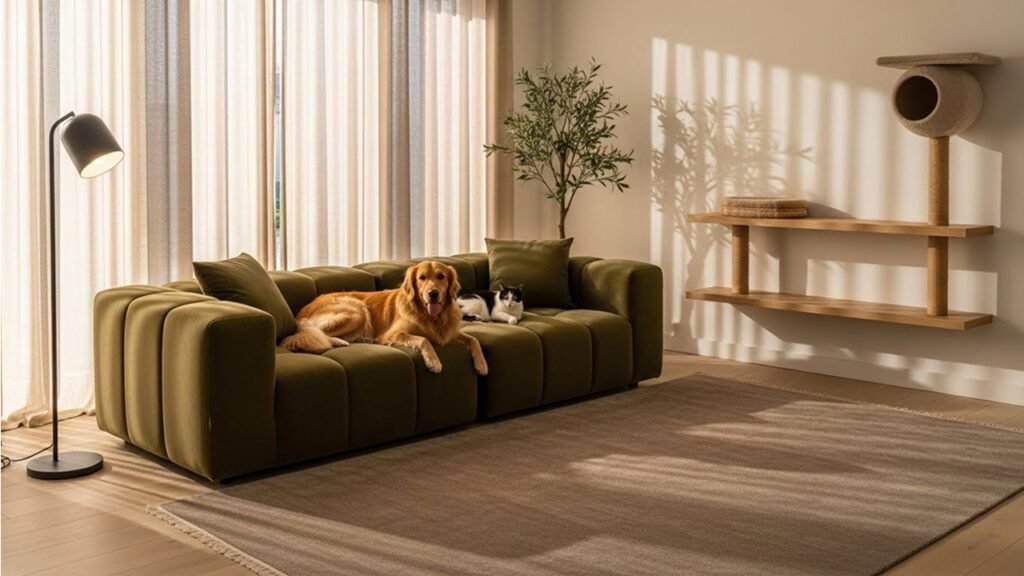
Choose Velvet Upholstery That’s Pet-Friendly
Velvet adds instant luxury and textural contrast, but standard versions snag with claws.
Instead, opt for performance velvet—a tightly woven synthetic blend with a double-rub rating of 20,000+.
It resists stains, repels pet hair, and still feels plush.
Look for brands that disclose durability specs; many “velvet” sofas online are purely decorative.
8
Use Mirrors to Reflect Warm Light (Not Just Space)
Most guides say “use mirrors to make a room bigger”—but in cozy design, their real power is bouncing warm light.
Place a mirror directly opposite a 2700K floor lamp or candle cluster to double the glow without adding fixtures.
Avoid placing mirrors opposite windows in small rooms—they can amplify harsh daylight and create visual chaos.
9
Display Sentimental Items—But Edit Ruthlessly
Most guides say “use mirrors to make a room bigger”—but in cozy design, their real power is bouncing warm light.
Place a mirror directly opposite a 2700K floor lamp or candle cluster to double the glow without adding fixtures.
Avoid placing mirrors opposite windows in small rooms—they can amplify harsh daylight and create visual chaos.
10
Opt for Earthy, Layered Neutrals (Not Just Beige)
True cozy palettes go beyond beige. Layer warm neutrals like oatmeal (#D8C3A5), taupe (#8E7D6B), and mocha (#5E503F) to add depth without visual noise. These tones support chromatic harmony and make textiles pop.
Paint walls in “greige” (gray + beige) with warm undertones—never cool gray.
11
Install Wall-Mounted Lighting to Save Floor Space
In small living rooms, every inch counts. Wall-mounted lighting—like plug-in sconces or swing-arm lamps—frees up floor and side tables while adding ambient glow.
Look for models with built-in USB ports or dimmers for extra function.
Renter Hack: Use adhesive-backed cord clips to route wires cleanly—no drilling required.
12
Use a Wood or Stone Accent Wall (Real or Faux)
A full biophilic design overhaul isn’t needed—just one accent wall in wood-look plank or peel-and-stick stone veneer adds instant warmth and texture.
Focus on the wall behind your sofa to create a focal point arrangement that grounds the room.
Choose materials under ½” thick to avoid protruding into tight spaces.
13
Choose Pillows with Washable Covers (Kid/Pet Proof)
Pillows are cozy essentials—but not if they’re stained or dusty. Opt for inserts with removable, machine-washable covers in allergy-friendly cozy materials like 100% cotton or performance polyester.
Avoid delicate fabrics like silk or unlined linen in high-use homes.
Store seasonal covers in labeled bins for easy swaps.
14
Add Scent with Non-Toxic Diffusers
Multi-sensory design includes smell. Skip synthetic candles (which release VOCs) and use non-toxic reed diffusers or soy wax candles with essential oils like cedar, vanilla, or sandalwood.
Place near seating so scent is subtle, not overpowering.
Wellness Note: Natural scents like cedar have been shown to reduce stress in indoor environments.
15
Float Your Furniture Away from Walls
Pushing furniture against walls makes a small room feel like a showroom—not a home.
Float your sofa 6–12 inches from the wall and anchor it with an area rug.
This creates depth, improves circulation path flow, and makes the space feel more intimate.
Use low-profile pieces to avoid blocking light or sight lines.
16
Use a Round Coffee Table to Improve Flow
Sharp corners eat into tight traffic zones. A round coffee table eliminates collision risks and softens the room’s geometry.
Choose one under 36″ in diameter for small spaces, with storage (like a lower shelf) to keep remotes or books handy.
Bonus: Round shapes enhance visual weight balance when paired with angular sofas.
17
Incorporate Indoor Plants for Biophilic Warmth
Biophilic design isn’t just trendy—it reduces stress and adds life. In small rooms, choose low-light plants like ZZ, snake plant, or pothos that thrive without direct sun.
Place on shelves, hang from ceilings, or let vines trail onto throws for organic texture.
Avoid large floor plants that block pathways.
18
Swap Out Seasonal Pillow Inserts
Keep your space fresh without buying new decor. Store summer linen inserts and swap in winter wool or velvet ones each season.
This simple seasonal decor rotation changes the room’s feel while maintaining your core palette.
Label bins by season to make swaps effortless.
19
Use a Faux Fireplace (Electric or Decorative)
A fireplace alternative adds instant focal warmth—no chimney needed. Wall-mounted electric fireplaces heat up to 400 sq ft and mimic real flames with LED tech.
For non-heating options, use a decorative media console with flickering LED candles inside.
Ideal for rental apartments where structural changes aren’t allowed.
20
Hang Curtains High and Wide
Mount curtain rods 6–8 inches above the window frame and extend 8–12 inches beyond on each side.
This tricks the eye into seeing taller, wider windows—critical in short or narrow rooms.
Use linen curtains for soft light diffusion without heaviness.
Pro Tip: Floor-length panels (just kissing the floor) add vertical grace.
21
Choose Multi-Functional Ottomans
An ottoman that stores blankets, doubles as extra seating, and holds a tray for drinks is a small-space powerhouse.
Look for models with hard tops (for trays) and lift-off lids or hidden compartments. Upholster in performance velvet or faux leather for easy cleaning.
Space Tip: Tuck it under a console when not in use to free up floor area.
22
Avoid Over-Matching—Embrace Textural Contrast
A room full of matching beige pieces feels sterile, not cozy. Instead, mix textural contrast: pair smooth leather with nubby knit, glossy wood with matte ceramic, or sleek metal with rough jute.
This creates depth without visual noise.
Expert Tip: “Contrast invites the eye to linger—which makes a space feel richer, not larger.”
23
Use a Weighted Throw (3–5 lbs) for Calming Comfort
A weighted throw (3–5 lbs) provides gentle pressure that can reduce anxiety and improve relaxation—ideal for evening wind-downs.
Avoid throws over 5 lbs; they can cause overheating or restrict movement.
Choose natural fibers like cotton or bamboo for breathability.
24
Keep Electronics Hidden or Styled
TVs and cords break the cozy mood. Use a media console with doors, or style your TV like art with a frame kit that displays digital art when idle.
Bundle cords with fabric wraps and route them behind furniture.
Pro Move: Place speakers inside woven baskets to diffuse sound and hide tech.
25
Refresh Weekly—Not Just Seasonally
Cozy isn’t static. Refresh weekly: fluff pillows every Sunday, rotate books on shelves, light a candle during evening reading, or swap a single pillow cover. These micro-habits keep your space feeling alive—not staged.
Mindset Shift: Cozy is a practice, not a finish line.
Frequently Asked Questions (FAQs)
-
How do I make my small living room feel cozy without clutter?
Focus on multi-sensory layers, not quantity. Use one plush rug, two well-placed throws, warm lighting (2700K), and meaningful objects edited to three per surface.
Prioritize acoustic comfort with curtains and rugs to reduce visual and auditory noise.
-
Can I have a cozy living room with white walls?
Yes—add warmth through natural materials (wood, wool, rattan), textural contrast, and warm lighting. Avoid cool-white paint; choose “ivory” or “oatmeal” undertones to keep the space inviting.
-
What’s the best rug material for a cozy small living room?
Wool (0.75" pile) offers warmth, durability, and acoustic softening. For homes with pets, choose indoor-outdoor polypropylene with a soft weave—it resists stains and mimics natural fiber.
-
How to keep a cozy living room clean with pets?
Use performance fabrics (stain-resistant velvet), washable slipcovers, and a robot vacuum on schedule. Store throws in lidded baskets when not in use to minimize hair buildup.